
SECTION 3.2 – PARTICIPATORY ENGAGEMENT METHODS: ENTRY POINTS FOR CSOS
Overview
This section focuses on participatory engagement methods and the various entry points available for CSOs to get involved in the budget process. It introduces the principles of public participation in fiscal policies as outlined by the Global Initiative for Fiscal Transparency (GIFT), discusses pre-budget consultations, public hearings, and the role of CSOs in these processes.
Public Participation during Legislative Approval:
The budget approval phase also represents a key advocacy moment for civil society and the public, as media attention is often greatest at this stage of the budget process (IBP 2017)
A primary entry point for civil society during budget approval is participation in committee meetings. As noted in Section 3.1, specialized finance and budget committees as well as sectoral committees scrutinize the budget in depth in committee meetings. In some countries, these committees establish public hearings or consultations to provide the public opportunities to engage in the budget process during budget approval.
In Kenya, for example, the Budget Appropriations Committee (BAC) organizes a set of public hearings that inform its review of the draft budget. The hearings are conducted in 12 counties, with the goal of identifying key expenditure priorities in each county (OBS 2023:28). Public participation in the committee process provides opportunities for the public and civil society to influence legislative debate, highlight budget priorities, and augment the capacity of legislatures to analyze and scrutinize the budget.
In addition to participation in committee hearings or consultations, CSOs can help inform and shape budget debates by providing independent analysis of revenue and expenditure policies, which can be shared with legislators, the media, and the public.
In India, for example, the Centre for Budget and Governance Accountability publishes a detailed analysis of the budget, which allows stakeholders understand the overall budget as well as allocations for specific policies and programs (IBP 2017).
What type of feedback can you provide on the EBP?
When analyzing the EBP, CSOs can raise important questions and conduct thorough analyses to assess how well the government has allocated resources to meet competing national priorities. This includes evaluating whether the government has struck a balance between fiscal responsibilities and addressing pressing socio-economic challenges, as well as examining how specific budgetary decisions affect various sectors. Below are two examples of the types of questions CSOs can explore:
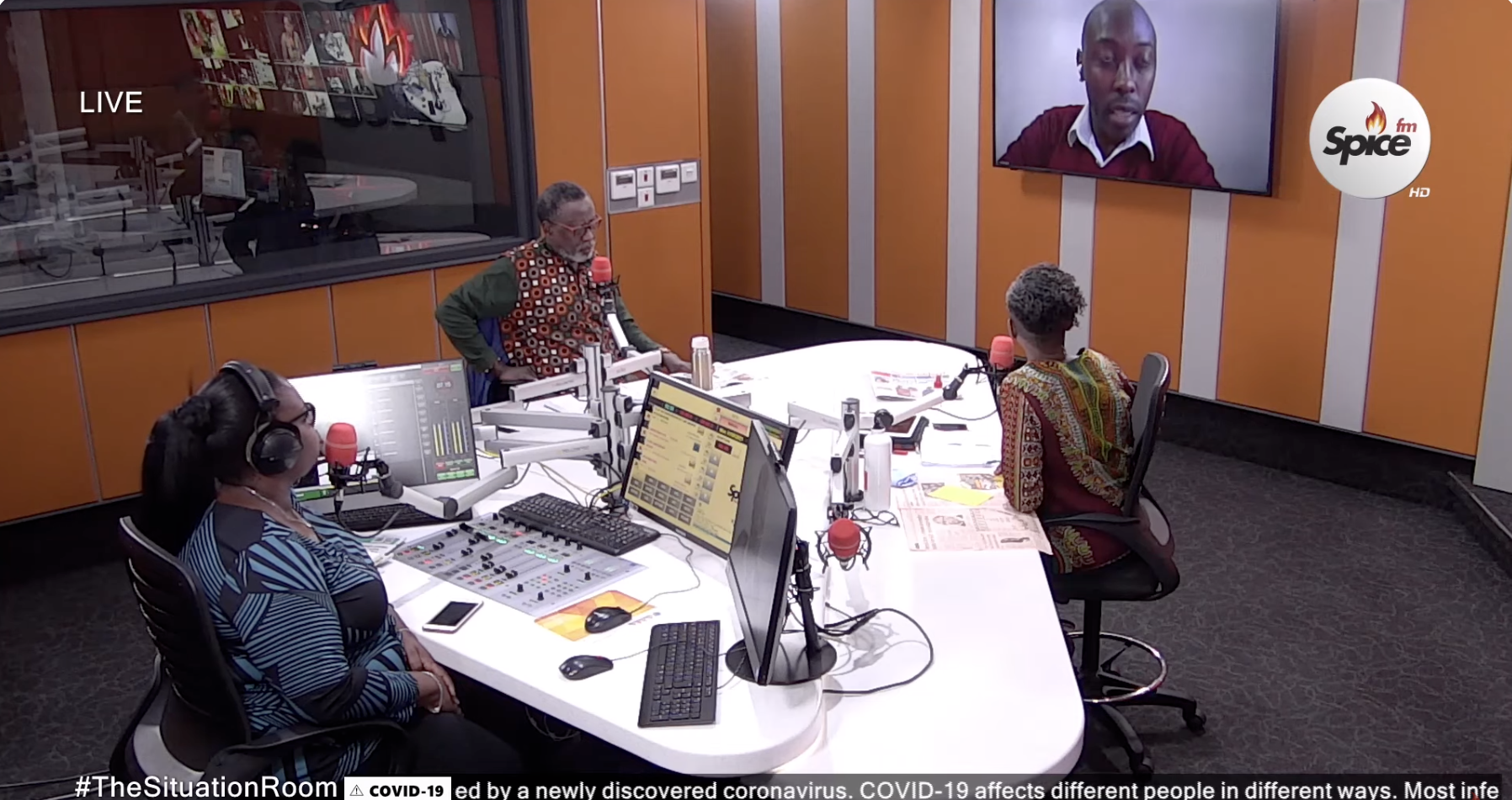
Did the government strike the right balance between competing priorities? In this interview, Institute for Public Finance (Kenya) CEO James Muraguri comments on whether the 2022 Kenyan EBP struck the right balance between debt repayment and COVID relief.
- Did the government strike the right balance between competing priorities? In this interview, Institute for Public Finance (Kenya) CEO James Muraguri comments on whether the 2022 Kenyan EBP struck the right balance between debt repayment and COVID relief.
2. How will the budgetary appropriations affect sectoral allocations and priorities? Consider how the appropriations within the budget will influence the allocation of resources across various sectors, such as health, education, and infrastructure. What are the potential effects of these appropriations on each sector’s capacity to achieve its objectives and address pressing challenges? Consider examples from the following sectors:
a) Health Sector: Appropriations in the health sector, such as funding for hospital construction and vaccine procurement, increase a country’s capacity to address healthcare challenges like pandemics or improving rural healthcare. A well-funded health sector will be better equipped to provide quality services, reduce mortality rates, and tackle public health crises.
- Potential Impact: A significant increase in funding can help expand healthcare infrastructure, but a decrease or stagnant allocation could limit the ability to address healthcare shortages, impacting the overall quality of services.
b) Education Sector: In the education sector, appropriations are typically directed toward improving infrastructure, training teachers, and supplying educational materials. Changes in funding affect how many resources can be invested in enhancing access to quality education, especially for underprivileged communities.
- Potential Impact: A reduction in funding, as seen with a 10% cut, could hinder progress in teacher training and limit improvements in school infrastructure, while increased funding would help boost educational outcomes.
c) Infrastructure (Roads & Transport): Appropriations in infrastructure are critical for building and maintaining national highways and rural roads, which are essential for economic growth and connectivity. Infrastructure investments allow for improved trade, movement of goods, and access to services.
- Potential Impact: Increased funding supports economic growth and improves connectivity, but underfunding can lead to deteriorating infrastructure and poor access, especially in rural areas.
d) Social Protection: Budgetary allocations for social protection, such as cash transfers for vulnerable families, directly affect poverty reduction and social equity efforts. Decreased funding might leave gaps in support for low-income households, while increased investments in this area can help uplift marginalized communities.
- Potential Impact: A decrease in social protection funding might exacerbate poverty, while increased allocations would enhance the social safety net for the most vulnerable populations.
How Can You Identify Entry Points?
Identifying Entry Points in the Approval Stage
While it is true that in many parliaments, the opportunity for making significant changes to the budget is limited at the approval stage, it remains crucial for CSOs to actively engage. By getting their voices on the public record and advocating for key sectors, CSOs can still influence public opinion, build long-term relationships with lawmakers, and set the stage for future budget cycles. Here are key entry points for CSOs during the approval stage:
1. Monitoring Parliamentary Debates
Key Entry Point: Engage during parliamentary debates where the budget is discussed, as lawmakers raise concerns or propose minor amendments.
CSO Action: Even if changes are minimal, attending and tracking these debates is vital. CSOs should provide lawmakers with briefs or data that reflect their priorities, ensuring their stance is part of the debate, recorded for future reference.
2. Submission of Recommendations to Parliament
Key Entry Point: Parliaments may invite submissions from civil society prior to the final approval. Although changes at this stage are often limited, this is a crucial moment to formally register concerns and recommendations.
CSO Action: Submit well-documented position papers highlighting key areas where budget decisions may have long-term negative impacts, such as cuts to education or social protection. This ensures your CSO’s concerns are officially noted.
3. Engagement with Sectoral Committees
Key Entry Point: Sectoral or finance committees may still have the opportunity to review budget allocations. These committees often have the ability to influence minor reallocations or raise concerns publicly.
CSO Action: Target these committees with specific recommendations related to their sectors of responsibility (e.g., healthcare, infrastructure). Provide evidence-based suggestions for small reallocations or future amendments.
4. Advocacy During Public Hearings
Key Entry Point: In some parliaments, public hearings are part of the approval process, allowing civil society to give input directly to lawmakers.
CSO Action: Actively participate in these hearings to formally state your case. While changes may be limited, getting your input on the public record creates a basis for future advocacy and raises awareness of the issues among lawmakers and the public.
5. Media Engagement to Amplify Your Message
Key Entry Point: Even if direct changes are unlikely, using media engagement during the approval stage can amplify your concerns and bring public attention to specific budget issues.
CSO Action: Launch media campaigns, write op-eds, or engage with journalists to highlight how the proposed budget could impact key sectors. This builds public support and keeps the issue in the public discourse, even if immediate changes are not possible.
6. Direct Engagement with Parliamentarians
Key Entry Point: Informal engagements with individual parliamentarians before the final vote can still influence public records and future priorities, even if they cannot make significant changes at the approval stage.
CSO Action: Meet with key decision-makers to explain your concerns and proposed amendments. Encourage them to raise these issues during debates or submit questions. Although major changes may not be feasible, establishing this dialogue is essential for long-term influence.
7 Comments
Good presentation….
Il montre ,comment l’endettement peut compromettre l’avenir d’une nation
Les rôles des différents acteurs pour y remédier
Budgetary appropriations significantly impact various sectors, including health, education, and infrastructure. Health sector appropriations can enhance healthcare infrastructure, improve patient outcomes, and reduce disparities. Vaccine procurement and distribution also contribute to the health system’s efficiency.
Education sector appropriations improve education quality and accessibility through school infrastructure, teacher training, scholarships, and curriculum development. Infrastructure sector appropriations influence economic development and quality of life through transportation networks, utilities, digital infrastructure, and housing and urban development projects.
The appropriations within the budget can enhance service delivery, achieve policy goals, promote equity, and stimulate economic growth. By strategically allocating resources, these appropriations can help sectors meet their objectives and address challenges, ultimately improving the quality of life for the population. By strategically allocating resources, budget appropriations can significantly impact the capacity of various sectors to meet their objectives and address challenges, ultimately improving the quality of life for the population.
The different stages of participatory engagement methodology coupled with entry points for CSOs engagement, is absolutely useful and timely. Especially the role CSOs can play in helping with informed position that help shape budget debates providing independent analysis of revenue and expenditure policies.
Very useful.
Cette partie du module nous donne plusieurs possibilités à savoir des lobbying envers certains députés proche des OSC pour défendre les doléances des OSC pendant le vote du budget. Les OSC peuvent passer aussi par cette occasion pour informer le grand public sur les réalisations prévues pour l’année à venir afin de permettre aux citoyens de suivre les réalisations prévues pour leurs communautés. Le bémol à cette phase est que les marges de manœuvre des députés comme des OSC sont très limitées.
Il est très important pour les parties prenantes de jouer leurs rôles pendant cette phase d’approbation du budget.