
SECTION 4.5 – SUMMARY
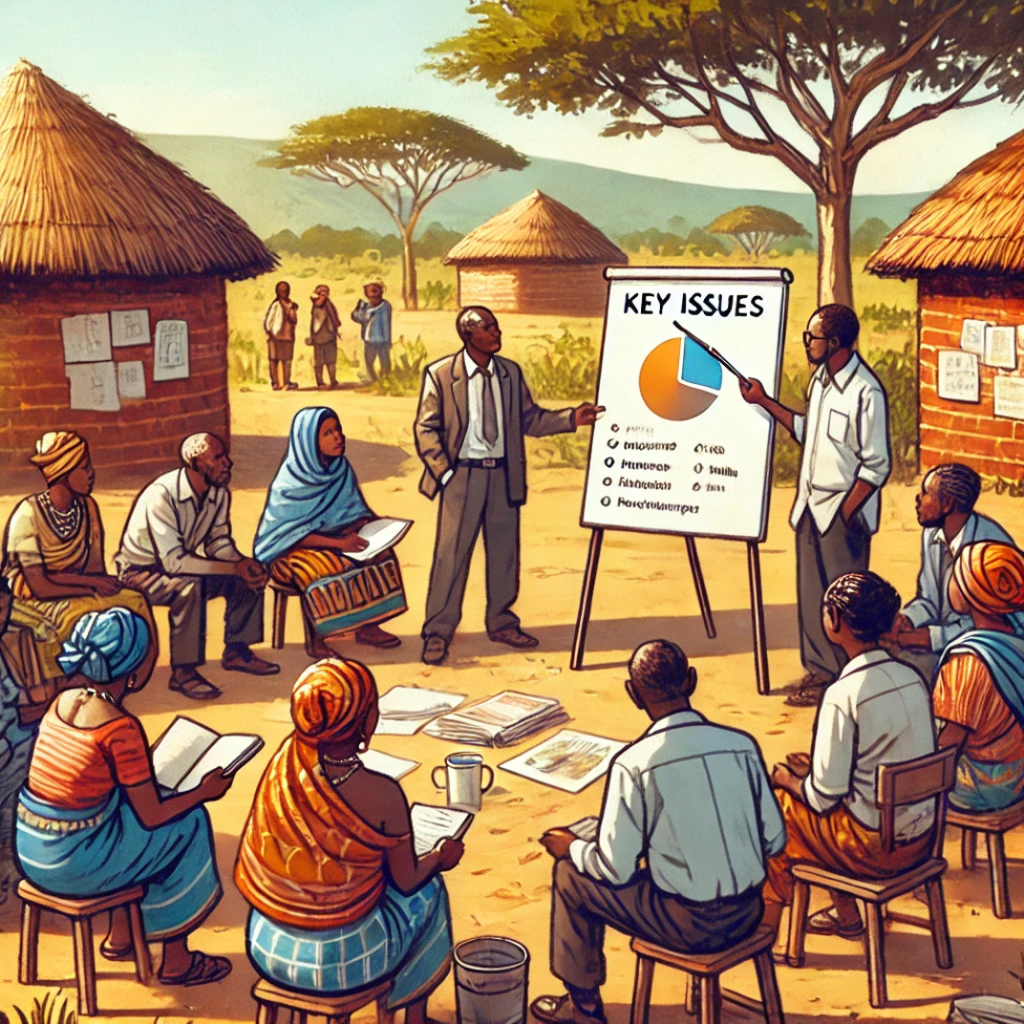
This section summarizes key learnings from Module 4 which highlighted Parliament’s role in budget execution and audit/oversight, participatory engagement methods for civil society and GRB in the budget execution and audit/oversight.
Summary of Key Issues: Execution Phase
- Significance of Parliamentary Oversight: Parliamentary oversight is critical for ensuring transparency and accountability during the budget execution phase, helping to hold the government accountable for its fiscal commitments. For example, effective parliamentary oversight can ensure that funds allocated to critical areas like education and healthcare are spent as intended, reducing the risk of misallocation during the execution phase.
- CSO Monitoring and Government Accountability: CSOs play a vital role in monitoring and tracking government expenditures against budget promises, ensuring that funds are utilized as intended and advocating for corrective actions when deviations occur. For example, Fundar in Mexico uncovered instances where funds intended to address gender inequities were diverted during the budget execution phase, highlighting the importance of CSO involvement in monitoring government spending.
- Public Engagement Opportunities: Opportunities for public engagement during the budget execution phase are essential for holding the government accountable and influencing how funds are spent.
Summary of Key Issues: Audit/Oversight Phase
- Critical Role of SAIs: SAIs play a crucial role in the audit/oversight phase by examining government expenditures to ensure that public funds have been used appropriately and efficiently. For example, in many countries, SAIs conduct detailed audits of government spending and report their findings to parliament, which can then hold the executive accountable for any identified irregularities.
- Public availability of budget documents: Timely access to key budget documents, including financial statements and the Year-end Report, is essential to the work of SAIs.
- Importance of Public Accounts Committees (PACs): PACs are vital in the oversight phase, as they review audit reports from SAIs and ensure that government responses to audit findings are thorough and effective. PACs provide a platform for discussing audit outcomes, holding the executive accountable, and ensuring that corrective actions are taken to address any irregularities identified by SAIs.
- Public Participation in Oversight: Public participation during the audit/oversight phase enhances transparency and accountability by allowing citizens and CSOs to contribute to the scrutiny of government spending. For example, in Mozambique, public hearings on the Audit Report are open to the public, enabling civil society organizations to submit written comments and engage in the oversight process. Timely access to key budget documents, including budget execution reports and the Audit Report is crucial for meaningful public participation.
- Gender-Responsive Audits: Gender-responsive audits are essential for assessing whether budget allocations intended to address gender inequities have been implemented as planned. For example, when SAIs conduct gender-responsive audits, they can reveal whether funds allocated for gender programs have been effectively used, providing critical insights for policy improvements and better resource allocation.
Reflection/Discussion Questions:
Your answers will be shared with the other e-course participants.
- Application to Context:
- How does your country’s Parliament currently engage in budget execution and oversight
- What are some specific ways your organization can support Parliament in improving budget credibility and transparency?
- Engagement Strategies:
- Identify potential entry points for your CSO to engage in the budget process in your country.
- How can your organization leverage external reviews and SAI reports to hold the government accountable?
- Public Participation:
- How can you enhance public participation in the scrutiny of budget execution in your country?
- What methods can you use to involve diverse stakeholders in monitoring and evaluating budget impacts?
- Using Tools and Resources:
- How can the tools and guidelines provided be applied to your country’s budget monitoring efforts? What questions or insight came up for you during the module and exercise?
Upload your answers in the comment box provided below
-
November 20, 2024 4:29 pm
How can you enhance public participation in the scrutiny of budget execution in your country?Public Forums and Workshops
Organize regular public forums and workshops where citizens can learn about the budget execution process, express their concerns, and provide feedback. These events can be tailored to different community groups to ensure inclusivity.
Online Platforms and Tools
Develop user-friendly online platforms that allow citizens to access budget information, submit comments, and engage in discussions. Tools like interactive dashboards can help visualize budget data, making it easier for the public to understand.
Collaboration with Civil Society Organizations (CSOs)
Partner with local CSOs that have expertise in budget monitoring and advocacy. These organizations can help facilitate community engagement and ensure that diverse voices are heard.
Citizen Budget Committees
Establish citizen budget committees that include representatives from various sectors of society. These committees can meet regularly to review budget execution reports and provide recommendations to decision-makers.What methods can you use to involve diverse stakeholders in monitoring and evaluating budget impacts?
Stakeholder Mapping and Engagement
Identify and categorize stakeholders, including community groups, civil society organizations, businesses, and marginalized populations. Tailor engagement strategies to address their specific interests and concerns.
Participatory Budgeting
Implement participatory budgeting processes that allow stakeholders to directly influence budget allocations. This can involve workshops where community members propose and vote on budget priorities.
Public Consultations and Forums
Organize public consultations and forums to discuss budget impacts. Encourage open dialogue where stakeholders can share their experiences and provide input on budget priorities and outcomes.
Collaborative Monitoring Initiatives
Establish collaborative monitoring groups that include representatives from various sectors. These groups can jointly assess budget implementation, share findings, and recommend improvements. -
November 21, 2024 9:44 am
1. The Parliament of Zimbabwe engage in budget execution through requesting all government departments to submit quarterly reports on progress made in implementing government programmes. during Wednesday sessions members of parliament would be given and opportunity to ask policy questions and sometimes they may request for a ministerial statement on a particular issue.
-
November 22, 2024 3:39 pm
Application to Context
The Parliament of Sierra Leone uses a number of procedures to oversee and carry out the budget:
Budget Approval: The government’s proposed budget is examined and approved by Parliament, which makes sure it complies with legal requirements and national priorities.
Monitoring and Oversight: By examining financial reports, holding hearings, and closely examining government expenditures, Parliament keeps an eye on how the budget is being implemented.
Audit and Evaluation: To ensure accountability, Parliament collaborates with auditing organizations to assess the efficacy and efficiency of budget implementation.
Public Involvement: To increase openness and public confidence, Parliament includes citizens and civil society groups in the budget process.
Organizations can help Parliament increase the transparency and credibility of the budget by:
Provide Training: Provide parliamentary staff with capacity-building courses on financial management, budget analysis, and oversight methods.
Develop Analytical Tools: Produce and distribute budget analysis tools, including
The Sierra Leonean Parliament oversees and implements the budget through a number of vital processes:Budget Approval: Parliament reviews and approves the government’s proposed budget, ensuring that it aligns with national priorities and legal requirements.
Monitoring and Oversight: Parliament monitors the implementation of the budget by reviewing financial reports, conducting hearings, and closely examining government spending.
Audit and Evaluation: Parliament works with auditing firms to evaluate the effectiveness and efficiency of budget implementation in order to guarantee accountability.
Public Involvement: Parliament involves citizens and civil society organizations in the budget process to promote transparency and public trust.
Groups can assist Parliament in improving the budget’s credibility and transparency by:
Provide Training: Offer capacity-building training to parliamentary staff.Engagement Strategies:
Possible Ways for CSOs to Participate in the Budget Process
Public Consultations: Take part in government-sponsored public consultations to offer suggestions regarding budget allocations and priorities.
Budget Monitoring: To keep tabs on the execution of budgetary allotments and expenditures, take part in budget monitoring activities.
Policy Advocacy: Push for modifications to laws that support openness, responsibility, and inclusive budgeting procedures.
Building Capacity: Give citizens and public servants the tools and training they need to become more budget literate.
Enable citizens to participate in budget allocation decision-making by facilitating participatory budgeting procedures.
Cooperation with Media: To spread budget information and increase public awareness, collaborate with media outlets.
Using SAI Reports and External Reviews to Publicize Findings: To increase public awareness and hold the government responsible, publish and distribute the results of SAI reports and external reviews.Advocacy Campaigns: Start advocacy campaigns that demand policy changes and corrective measures based on the conclusions of external reviews and SAI reports.
Interacting with Stakeholders: To increase the impact of audit findings, work with other stakeholders, including media outlets, civil society organizations, and foreign partners.
Follow-Up Measures: Keep an eye on how the government responds to audit recommendations and track the application of remedial actions.
Building Auditors’ Capacity: Give Supreme Audit Institutions (SAIs) the tools and training they need to perform comprehensive and successful audits.Public Participation
Increasing Public Involvement in Budget Analysis
Transparent Communication: Using a variety of platforms, including websites, social media, and public gatherings, provide easily understandable information about the budget and how it is being implemented.
Public Hearings: Set up forums and public hearings where people can voice their opinions and worries regarding spending and budgetary allocations.
Feedback Mechanisms: To get public opinions on how the budget is being implemented, put in place feedback mechanisms like suggestion boxes and online surveys.
Educational Campaigns: Run educational initiatives to help citizens become more budget literate by educating them about how the budget affects their daily lives and how they can take part in its examination.
Collaborations with CSOs: Work together with civil society groups to organize and involve the public in budget monitoring initiatives.
Including a Range of Stakeholders in the Tracking and Assessment of Budget Impacts
Stakeholder mapping that is inclusive: To guarantee their involvement in budget monitoring and evaluation, identify and map a variety of stakeholders, including underrepresented groups.Multi-Stakeholder Committees: To track and assess the effects of the budget, form multi-stakeholder committees with representatives from the public and private sectors as well as civil society.
Focus Group Discussions: To obtain qualitative information about the impact of the budget, hold focus groups with various stakeholder groups.
Collaborative Platforms: Establish forums for stakeholders to exchange information, talk about financial concerns, and plan monitoring activities, such as community gatherings or web portals.
Frequent Reporting: Using standardized templates and guidelines, encourage regular reporting on budget execution and its effects from a variety of stakeholders.
Building Capacity: Give stakeholders resources and training to improveUsing Tools and Resources
Building Capacity: Make use of training initiatives to improve the knowledge of civil society organizations (CSOs) and government representatives in the areas of financial management, budget analysis, and oversight methods. This lays the groundwork for efficient budget tracking.
Analytical Tools: To assess budget performance and guarantee alignment with national priorities, use budget analysis tools like fiscal impact assessments and performance indicators.
Data Access: Provide easily accessible online resources or databases that allow the public and Parliament to access and comprehend budget data. This encourages accountability and openness.
Public Involvement: To include citizens in budget decisions, organize public consultations and participatory budgeting procedures. Including a variety of
Considering the Module and Exercise: Difficulties with Execution: What are the primary obstacles Sierra Leone is facing when putting these tools and guidelines into practice, and how can they be overcome?
Engagement Techniques: In order to include more stakeholders in the budget monitoring process, how can we enhance engagement techniques?
Technology Integration: How can data access and public involvement in budget monitoring initiatives be improved through the use of technology?
Sustainability: What safeguards can be in place to guarantee these programs’ long-term viability? -
November 29, 2024 4:01 am
How does your country’s Parliament currently engage in budget execution and oversight
Parliament
What are some specific ways your organization can support Parliament in improving budget credibility and transparency?
• Preparation of position papers on different sectors based on research as evidence
• Scrutinizing planned budgets against expenditures and relating this with the realities (case studies)
Engagement Strategies:
Identify potential entry points for your CSO to engage in the budget process in your country.
How can your organization leverage external reviews and SAI reports to hold the government accountable?
• Popularise the SAI Reports and External Reviews to increase public interest in holding the government accountable and t be responsive to recommendations made.
Public Participation:
How can you enhance public participation in the scrutiny of budget execution in your country?
What methods can you use to involve diverse stakeholders in monitoring and evaluating budget impacts?
• Popularize the budgets and budget process
• Social media
• Community meetings
Using Tools and Resources:
How can the tools and guidelines provided be applied to your country’s budget monitoring efforts? What questions or insight came up for you during the module and exercise?
GRB is one of the areas that need regular check, though there are other context specific ones that would equally need attention -
November 30, 2024 9:39 am
Parliament’s Engagement:
Kenya’s Parliament engages in budget execution and oversight through committee reviews, questioning government spending, and using audit reports from the Office of the Auditor-General.Supporting Parliament:
Organizations like TISA can provide evidence-based research, facilitate public input, and offer training on fiscal transparency tools to strengthen Parliament’s role. -
December 2, 2024 5:52 pm
1.Application au contexte :
Comment le Parlement de votre pays s’engage-t-il actuellement dans l’exécution et le contrôle du budget ?
Par le biais de son rôle du contrôle de l’action gouvernementale qui permet d’organiser des missions des suivi sur le terrain des réalisations prévues par le gouvernement
A travers aussi le débat sur la loi de règlement qui est une occasion pour les parlementaires de voir les réelles dépenses effectuées par le gouvernement au courant de l’année écoulée
De quelles manières votre organisation peut-elle aider le Parlement à améliorer la crédibilité et la transparence budgétaire ?
Par la production des rapports des suivi budgétaire réalisés par nos structures à travers les actions du contrôle citoyen de l’action publique qui fournissent des informations vérifiées des actions gouvernementales sur le terrain
2.Stratégies d’engagement :
Identifiez les points d’entrée potentiels pour que votre OSC s’engage dans le processus budgétaire dans votre pays.
En créant des alliances et des cadres des concertation avec les partenaires techniques et financiers , les parlementaires, les médias
Comment votre organisation peut-elle tirer parti des examens externes et des rapports SAI pour demander des comptes au gouvernement ?
En exploitant les conclusions et les recommandations formulées par ces institutions pour organiser des séances de lobbyings et plaidoyer en vue d’obtenir la mise en ouvre de ces recommandations
3.Participation du public :
Comment pouvez-vous renforcer la participation du public au contrôle de l’exécution budgétaire dans votre pays ?
en renforçant les capacités du public à travers la disponibilisations des données et informations probantes sur le budget et les engagements pris par le gouvernement pour produire des biens et services aux citoyens de mon pays le Niger
En demandant au parlement de voter des loi rendant obligatoire l’implication des citoyens dans la conception l ‘exécution et le contrôle de la gestion de la citée
Quelles méthodes pouvez-vous utiliser pour impliquer diverses parties dans le suivi et l’évaluation des impacts budgétaires ?
Une communication de proximité, la sensibilisation et la mobilisation des acteurs
4.Utilisation des outils et des ressources :
Comment les outils et les lignes directrices fournis peuvent-ils être appliqués aux efforts de suivi budgétaire de votre pays ?
En les vulgarisant pour qu’ils soient connu des tous et comprendre leurs utilités dans le cadre de la promotion de la transparence budgétaire
Les rendre disponibles pour les acteurs de la transparence budgétaireQuelles questions ou idées vous viennent à l’esprit au cours du module et de l’exercice ?
La domestication des lignes et outils étudiés dans la législation de mon pays en faisant plaidoyer auprès des parlementaires et l’exécutif -
December 4, 2024 1:45 pm
The Constitution of Kenya, 2010 enhanced the power of the National Assembly in the approval and oversight of the Budget, which comprises approval of expenditure allocations to national government departments, approval of taxes and other forms of revenue including loans raised for purposes of funding development projects. This far-reaching role is critical to Members of Parliament (MPs) since it enables them to assess, review and make changes where necessary to the amounts earmarked or proposed to be allocated to certain programmes in a particular financial year. In essence, it is the National Assembly that approves spending requests and particular projects or activities for the three arms of government: Executive (including Commissions and Independent Offices), Parliament and the Judiciary.
Budget control is the process of effectively managing cash flow and capital by closely monitoring planned budgets. It involves ensuring that spending aligns with the established budget plan and allocated funds, preventing overspending, and making necessary adjustments when required
Emergent questions
Does your spending support your goals?
Is saving & investing a priority?
How do you track your spending?
Do you re-evaluate your budget monthly? -
December 5, 2024 9:53 am
1. In Kenya, the Parliament engage the public in budget execution and oversight through committee reviews, questioning government spending, and using audit reports from the OAG.
2. My organisation can leverage external reviews and stakeholder opinions through qualitative inclusions in policy opinions to the relevant government institutions.
3. Public participation can be enhanced through wholesome engagement of the persons who were not initially involved eg marginalised, PWDs, women and the youth.
-
December 5, 2024 4:26 pm
1-Application au contexte :
– Comment le Parlement de votre pays s’engage-t-il actuellement dans l’exécution et le contrôle du budget ?
Le parlement Camerounais joue un rôle crucial dans l’exécution et le contrôle du budget national, en s’appuyant sur plusieurs mécanismes et réformes récentes: i) Examen et adoption du budget: le contrôle budgétaire s’exerce principalement lors de l’examen de la loi de finances comme en ce moment au parlement. Le parlement a un délai même comme il n’est pas respecter par l’exécutif pour examiner et adopter le budget national, notamment les rapports de la commission des finances, essentiels pour le contrôle parlementaire. ii) droit d’information et de communication: Les parlements disposent d’un droit d’information sans réserve concernant la gestion des derniers publics. Ce qui devrait en principe leur permettre de suivre de près l’utilisation des fonds publics et d’exercer un contrôle efficace, mais hélas malheureusement cela semble difficile. iii) Débat d’orientation budgétaire. Chaque année, un débat d’orientation budgétaire est organisé, permettant aux parlementaires d’exprimer leurs positions sur la trajectoire des finances publiques. Cela favorise une meilleure implication des parlementaires dans la politique budgétaire.
De quelles manières spécifiques votre organisation peut-elle aider le Parlement à améliorer la crédibilité et la transparence du budget ?
De manière spécifiques, notre organisation aide le parlement à améliorer la crédibilité et la transparence du budget en surveillant et en analysant le budget: i) en faisant le suivi des dépenses. En proposant des rapports d’analyse alternative ou indépendants sur les budgets proposés et exécutés, mettant en lumière les incohérences ou les domaines nécessitant des améliorations. ii) organisation des séances de renforcement ou de formation pour les parlementaires et le public sur les résultats de notre analyse de la loi des finances et les principes de transparence budgétaire et l’importance de la reddition de comptes.
2- Stratégies d’engagement :
– Identifiez les points d’entrée potentiels permettant à votre OSC de s’engager dans le processus budgétaire dans votre pays.
Notre organisation s’engage dans le processus budgétaire à plusieurs niveaux: i) Collaboration avec les Institutions parlementaires, ii)Participation aux audiences: nous assistons aux séances publiques des comités pour exprimer nos préoccupations et proposer des amélioration, iii) Engagement dans les consultations publiques ( Forum de discussion), iv) Plaidoyer pour la transparence, participation citoyenne dans les étapes du processus budgétaire; v) Formation et renforcement des capacités, vi) Utilisation des technologies ( Portails des données ouvertes) Open Budget/ Open Parliament; vii) Collaboration avec le gouvernement ( Plateforme d’échange avec le MINFI) viii) Réseautage avec d’autres OSC.– Comment votre organisation peut-elle tirer parti des examens externes et des rapports de l’ISC pour demander des comptes au gouvernement ?
Notre organisation analyse les recommandations ou les points critiques des rapports de l’ISC.; Dissémination d’informations, publication des résumés et des analyses des rapports pour les rendre accessibles au grand public, aux média et aux décideurs.
Participation du public :
-Comment pouvez-vous améliorer la participation du public au contrôle de l’exécution du budget dans votre pays ?
Au Cameroun améliorer la participation du public au contrôle de l’exécution nécessite une approche multidimensionnelle/ i) Sensibilisation et éducation; ii) Facilité de l’accès à l’information, iii)Mécanisme de participation ( Organiser des consultations publiques) Forum locaux) ,iv) Engagement des organisations de la Société Civile ( Réseautage et coalitions) v) Utilisation des technologies numériques ( Application mobiles, Réseaux Sociaux), Vi) Suivi et Evaluation ( Suivi citoyen de l’Action publique) , vii) Renforcement de la reddition de comptes.
-Quelles méthodes pouvez-vous utiliser pour impliquer diverses parties prenantes dans le suivi et l’évaluation des impacts budgétaires ?
Pour garantir la transparence et la redevabilité budgétaire nous pensons aux méthodes telles que: les ateliers participatifs ( sessions de brainstorming) ii) Consultations publiques, iii) Mettre sur pieds des Groupes de suivi Multi- Acteurs, iv) Utilisation des technologies numériques, v) Evaluations participatives, v) Rapports et feedback. vi) Médiation et dialogue ( Espaces de dialogue, Réunion de Suivi).
Utilisation des outils et des ressources :
– Comment les outils et les lignes directrices fournis peuvent-ils être appliqués aux efforts de suivi budgétaire de votre pays ?
L’application des outils et lignes directrices pour le suivi budgétaire au Cameroun peut renforcer la transparence et la redevabilité dans la gestion des finances publiques
Quelles questions ou idées vous sont venues à l’esprit au cours du module et de l’exercice ?
Mettre en place pour les parlementaire des Outils de Suivi Budgétaire tel que de Tableaux Bord pour visualiser les données budgétaires et suivre les dépenses en temps réel; des logiciels de gestion budgétaire intégré permettant de collecter, analyser et rapporter les données budgétaire. Cela peut faciliter le suivi des allocations et des dépenses.; Etablir des procédures claires pour la reddition des comptes, en spécifiant comment et quand les responsables doivent rendre compte des dépenses publiques. -
December 8, 2024 6:34 pm
1. Application to Contact
Parliament in Sierra Leone adopts the following procedures to oversee and carryout budget:
I) Budget Approval – parliament approves government budget taking into consideration legal requirements and national priorities
Ii) Monitoring and Oversight – through public hearings
III) Involvement of the Public- citizens including civil society participate in the budget process j to promote transparency and probity.2. Engagement Strategies
CSO participate in public consultation regarding budget allocations.
I) Budget Monitoring – budget allocations and expenditure can be monitored.
Ii) Policy Advocacy – lobby for laws that support open and inclusive budgeting procedures
III) Building Capacity – citizens and public servants are provided with tools and training on budget literacy
iv) Collaboration with the Media to propagate budget information and consolidate public awareness
V) Advocacy Campaigns – for policy change and corrective measures on SAI teportand external revenue.
vi) interacting with stakeholders + this will impact on audit report including media and csos.
vii) follow up measured – on government response to audit recommendations3. Public Participation
I) public hearing
Ii) civil society collaboration
III) focus group discussion
iv) frequent reporting – with templates and acceptable guidelines, report on budget executive will be prepared4. Using tools and Resources
I) capacity building – training initiatives to to build cso’s capacity in the area of financial management, budget analysis and oversight methods.Considering the Module and Exercise
What are the primary obstacles Sierra Leone is facing when putting these tools and guidelines into practice and how can they be overcome?
– incorporate more stakeholders
– consolidate technology -
December 12, 2024 4:07 pm
1. The Parliament of Zimbabwe engage in budget execution through requesting all government departments to submit quarterly reports on progress made in implementing government programmes. during Wednesday sessions members of parliament would be given and opportunity to ask policy questions and sometimes they may request for a ministerial statement on a particular issue


Leave a Reply