
SECTION 5.5 – INCORPORATING INTERSECTIONALITY AND A GENDER LENS INTO PUBLIC DEBT CONSIDERATIONS
“In 2019, 25 countries, 16 of which are African, spent more on debt repayment than on education, health, and social protection combined.”
Overview:
This section explores the importance of incorporating intersectionality and a gender lens into public debt considerations. It highlights the disproportionate impact of debt on women and marginalized groups and provides practical steps for ensuring equitable economic growth through gender-responsive debt management.
Addressing inequality and vulnerability is crucial to ensuring equitable economic growth, particularly in the context of public debt management. Women and marginalized groups often bear the brunt of austerity measures linked to debt servicing, facing reduced access to essential social services such as healthcare, education, and social protection. This exacerbates their economic vulnerability, especially in precarious employment situations, further entrenching gender inequalities. By incorporating an intersectional and gender lens, policymakers can promote inclusive and sustainable development, ensuring that public investments support the needs of all sections of society, particularly those who are most vulnerable. Prioritizing social infrastructure and gender-responsive policies not only fosters equity but also enhances overall economic stability and growth.
Example/Video on the gendered effects of debt
07:20- 10:00 Here is a clip from the Human Coined Podcast Ep. 31 (?) “The State of Public Debt in Kenya. Special Guest: Diana Gichengo, Coordinator, Okoa Uchumi.” Diana explores the complex and often uncomfortable dynamics of addressing gender and debt in the current context, with particular attention to recent actions taken on the issue.
10:00 -13:45 Here is a clip from the Human Coined Podcast Ep. 31 (?) “The State of Public Debt in Kenya. Special Guest: Diana Gichengo, Coordinator, Okoa Uchumi. In which Diana discusses the challenges faced with accountability and inclusion of vulnerable persons in response to the debt crisis.
1. Disproportionate Impact on Women and Marginalized Groups:
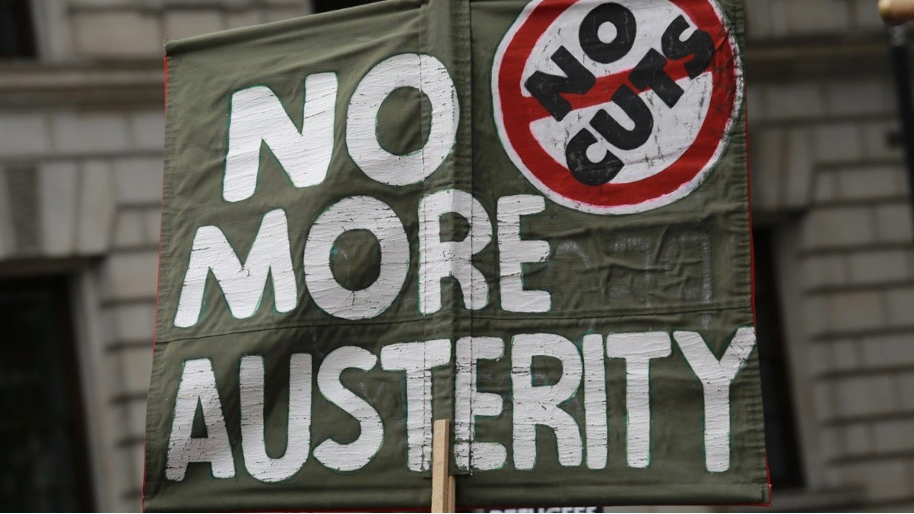
- Public debt often leads to austerity measures, disproportionately affecting social services that women and marginalized communities rely on more heavily. These groups are often more vulnerable to cuts in public spending on healthcare, education, and social protection.
- Austerity has a disproportionate effect on women and marginalized communities insofar as debt servicing reduces government capacity to fund essential these services. These services, such as healthcare, education, social protection, and care work, are vital to alleviating the systemic challenges faced by women, especially those living in poverty. The reduction in social services results in women shouldering the burden of unpaid care work and suffering from limited access to essential services.
This shouldered care is paid by women through losing time they have used for paid work, education or leisure, with detrimental effects on their well-being, status and livelihoods (Musindarwezo, 2018: 7)
2. Economic Vulnerability:
- Women and marginalized groups often have less economic resilience during debt crises and are more likely to be in precarious employment situations. Public debt servicing that leads to reduced public investment can exacerbate their economic vulnerability.
- The costs of servicing debts often disproportionately impact women, but further borrowed funds are not targeted at supporting initiatives to promote women’s rights. Securing and paying debt typically comes with measures to push governments to reduce expenditures in critical social investments and public services; such measures often include cuts to social protection, healthcare, and gender-based violence prevention and response services. Reduction of expenditures in these sectors and services has a disproportionate impact on women who both benefit from these services and are overrepresented as employees in these sectors. Defunding these social services and line ministries in lieu of debt servicing results in economic and workforce vulnerability has the greatest negative impact on women and marginalized communities severely. (WFD, 2023).
- Women have been disproportionately affected in many ways, but especially as paid and unpaid workers. They have been more likely to lose paid jobs or face lower wages and more difficult working conditions, as well as increased unpaid domestic care work. Additionally, women are more likely to be informal workers, without the benefit of social and legal protection. (iied, 2021).
Ensuring Equitable Economic Growth:
1. Inclusive Development:
- By incorporating an intersectional and gender lens, policymakers can ensure that public debt management incorporates a way that supports inclusive economic growth. This includes prioritizing expenditures that benefit all sections of society, particularly those who are typically underserved.
- Government spending in education, health and care services is a valuable way of promoting gender equality – it increases the supply of decent jobs for women, improves services and reduces women’s disproportionate unpaid care burden (Musindarwezo, 2018: 7)
- Many economic policies effectively rely on a gendered division of labour and the unpaid and underpaid work of women to cushion the impacts of fiscal austerity and cutbacks in public expenditure and public services provisions. Ignoring these impacts is not only negative in terms of equity, women’s welfare, and socioeconomic justice; it also reduces the chances of a sustainable recovery from a debt crisis and effectively addressing the climate and biodiversity crises. Debt relief packages, therefore, need to factor in these issues as well as differing effects for intersectional identities of women and men, girls and boys. And the resultant impacts on wider economic and social outcomes (iied, 2021).
2. Sustainable Growth:
- Investing in gender-responsive and intersectional policies can lead to more sustainable economic growth. For example, funding education and healthcare improves overall productivity and economic stability.
- When governments prioritize social infrastructure like care, health and education over debt repayments, it benefits growth by creating and maintaining a productive workforce through increasing jobs for women and reducing their unpaid care burden while increasing the tax governments could collect, making it more feasible to repay debts. (Musindarwezo, 2018: 8)
8 Comments
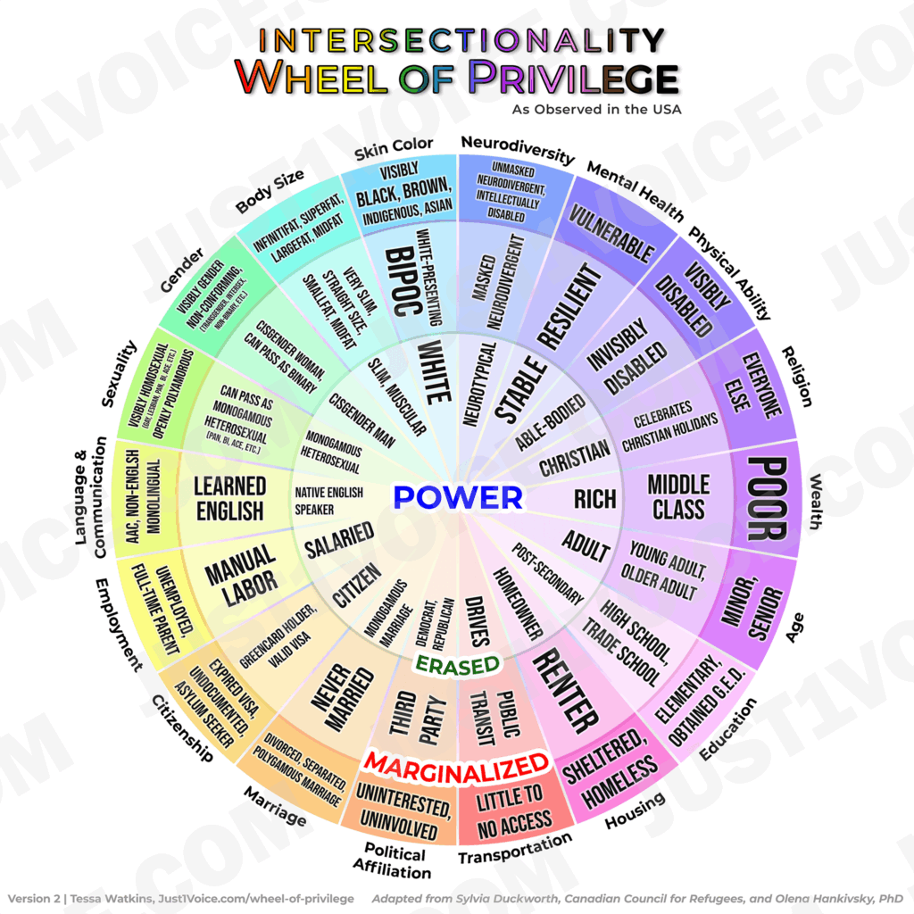
Intersectionality refers to the interplay of various aspects of identity, such as gender, race, class, sexual orientation, and disability, which creates unique experiences of discrimination or privilege. Addressing these intersections can help policymakers address the complex realities faced by diverse groups.
Gender inequity in public debt is significant, as women often bear a disproportionate burden of cuts in social services, leading to job losses in sectors where they are overrepresented. Gender-responsive policies can enhance women’s economic participation and contribute to broader economic growth.
To apply intersectionality, comprehensive analysis, targeted policies, equity considerations, and participatory approaches are essential. Benefits of integrating gender and intersectionality include improved economic outcomes, sustainable development, enhanced social welfare, and empowerment. Challenges include lack of data and policy resistance.
The intersectionality wheel is very helpful. I can see the key variables.
I have appreciated that intersectionality in debt management examines how overlapping social, economic, and political factors, such as race, gender, class, and geography, influence individuals’ and communities’ experiences with debt. It highlights that marginalized groups often face systemic barriers, such as predatory lending practices, unequal access to credit, and disproportionate impacts of debt crises. Addressing these issues requires tailored solutions that consider these intersecting vulnerabilities, promoting equitable policies and practices that foster inclusive financial systems.
L’intégration de l’intersectionnalité et de la priorité du genre dans les considérations relatives à la dette publique est essentielle pour garantir que les politiques économiques soient équitables et inclusives. d’où l’importance de tenir compte dans les analyses de l’impact du genre sur la dette: i) endettement des femmes et des personnes marginalisées, car les femmes sont généralement plus vulnérables à l’endettement en raison de l’inégalité salariales, des responsabilités familiales et l’accès limité aux ressources financières …etc. ii) services publics: les coupes budgétaires imposées pour gérer la dette peuvent réduire l’accès aux services sociaux, ce qui affecte davantage les femmes et les personnes vivant avec un handicap qui dépendent de ces services.
Il faut renforcer la transparence et la redevabilité ce qui passe par l’accès à l’information et les mécanismes de réduction des comptes , l’éducation et la sensibilisation.
incredible
Intersectionality is a term used to describe the idea that social relations involve multiple intersecting forms of discrimination. This means a person might experience several forms of discrimination such ad sexism, racism, and ableism, all at the same time.
Intersectionality is important for gender equality because it helps us to understand different forms of discrimination interact and excerbste inequality
The intersectionality wheel is very helpful. I can see the key variables.
I have appreciated that intersectionality in debt management examines how overlapping social, economic, and political factors, such as race, gender, class, and geography, influence individuals’ and communities’ experiences with debt. It highlights that marginalized groups often face systemic barriers, such as predatory lending practices, unequal access to credit, and disproportionate impacts of debt crises. Addressing these issues requires tailored solutions that consider these intersecting vulnerabilities, promoting equitable policies and practices that foster inclusive financial systems.
Il est important que nos gouvernement priorise l’l’intersectionnalité dans la gestion de la dette publique
Il est important pour nos gouvernements d ‘intégrer l ‘approche genre dans la gestion de la dette publique. L’insectionnalité du genre est un outil inclusif pour la promotion de la transparence et la responsabilité dans la gestion de la dette publique.